How nature recycles
Nature never wastes: how a fallen leaf becomes food again
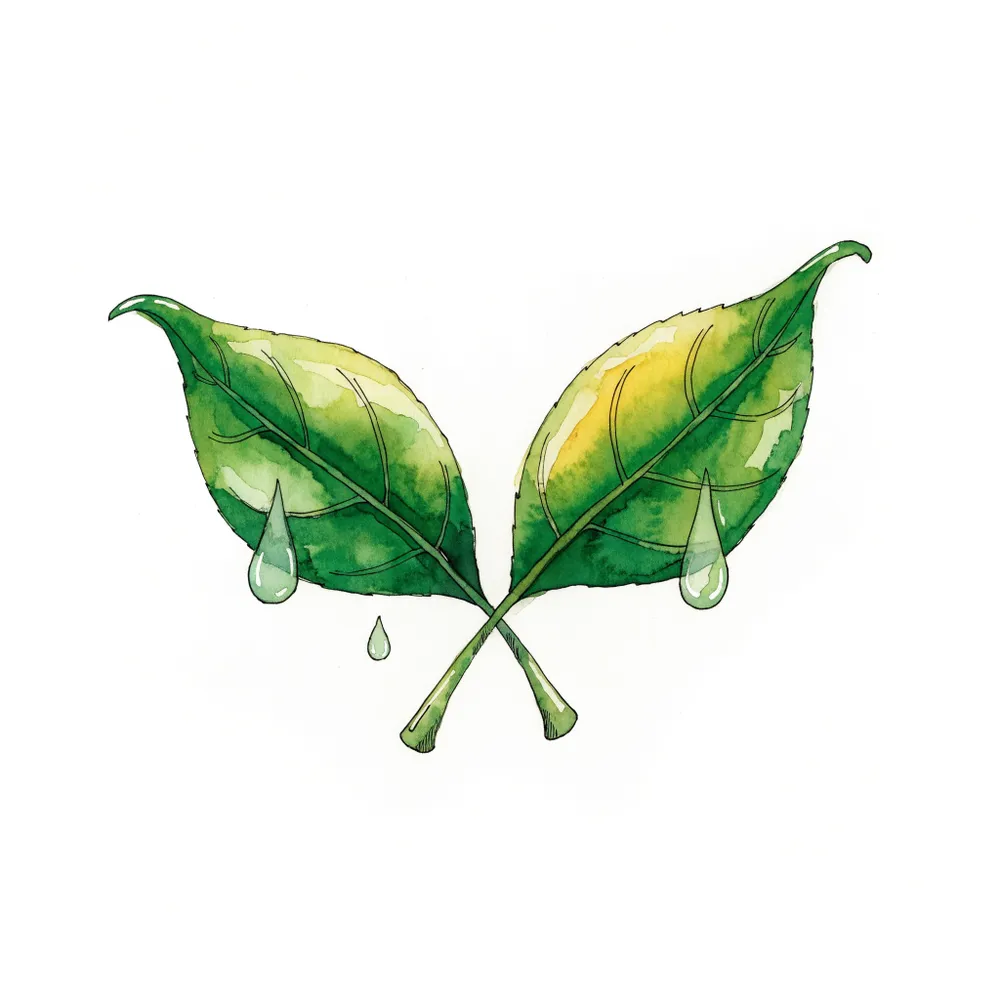
Have you ever wondered where all the fallen leaves go? Nature has a clever answer: it never wastes anything.
A leaf's journey
- It falls. When a leaf drops, it is still full of goodness.
- The clean-up crew arrives. Earthworms pull leaves into their tunnels. Woodlice, millipedes, fungi and tiny bacteria nibble and break the leaf into smaller and smaller pieces.
- It becomes soil. Over weeks and months, the leaf turns into dark, crumbly soil, full of food for plants.
- A seed grows. Roots drink up that food, and a new plant grows, with new leaves of its own.
The farmer's friend
Earthworms are so helpful that people call them the farmer's friend. Their tunnels let air and rain into the ground, and what they leave behind makes the soil richer. Charles Darwin was so fascinated by earthworms that he wrote a whole book about them.
Where the circle breaks
Plastic doesn't join the circle. A plastic wrapper can last for hundreds of years without turning into soil. That's why, in our stories, Gloop's shiny things always cause trouble: nature can't take them back.
Try it at home
Make a compost jar: soil, leaves, a little fruit peel and more soil, kept slightly damp. Watch it change over a few weeks. Full steps are on our How nature recycles page.
Meet all the friends of Dewberry Hollow, with a true nature fact about each one.